
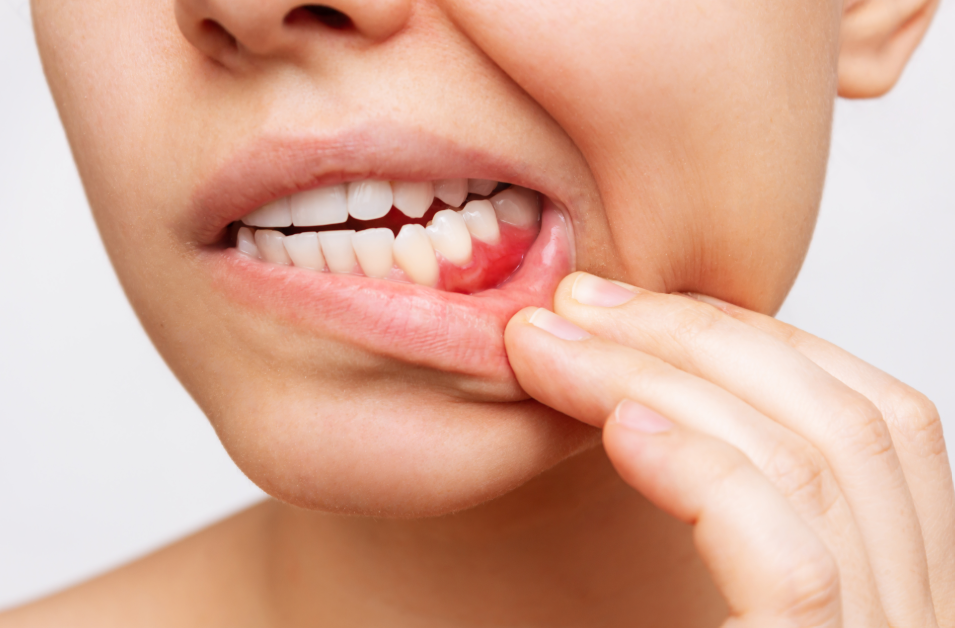
Gum disease is one of the most common oral health conditions, yet many people don’t realize they’re at risk until symptoms have already developed. Early-stage gum disease, known as gingivitis, can often be reversed with prompt treatment and good oral hygiene. However, if left untreated, it can progress into periodontitis, a more serious infection that can damage the gums, supporting bone, and even lead to tooth loss.
While brushing, flossing, and regular dental visits are essential for maintaining healthy gums, several other factors can increase your likelihood of developing gum disease. Understanding these risks can help you take steps to protect your smile.
Poor Oral Hygiene
One of the biggest contributors to gum disease is inconsistent oral hygiene. When plaque isn’t removed through daily brushing and flossing, it hardens into tartar, which can only be removed during a professional dental cleaning. Over time, this buildup irritates the gums and creates an environment where harmful bacteria thrive.
Maintaining a consistent oral hygiene routine is one of the simplest and most effective ways to reduce your risk.
Smoking and Tobacco Use
Smoking and other forms of tobacco use significantly increase the risk of gum disease. Tobacco can weaken your immune system, making it more difficult for your body to fight off infections and heal after gum tissue has been damaged.
Smokers are also more likely to experience symptoms that go unnoticed because tobacco use can reduce gum bleeding, one of the earliest warning signs of gum disease.
Health Conditions That Affect Your Gums
Certain medical conditions can make it harder for your body to defend against infections, including those affecting your gums.
People with diabetes, for example, often have a higher risk of developing gum disease because elevated blood sugar levels can encourage bacterial growth and slow the healing process. Other conditions or medications that cause dry mouth may also increase your risk, since saliva plays an important role in washing away bacteria.
If you have a chronic health condition, it’s important to keep both your medical and dental care providers informed so they can work together to support your overall health.
Hormonal Changes
Hormonal fluctuations can temporarily make your gums more sensitive and vulnerable to inflammation. This is especially common during pregnancy, puberty, menopause, or certain stages of the menstrual cycle.
While hormonal changes don’t directly cause gum disease, they can make it easier for plaque to irritate the gums if oral hygiene isn’t carefully maintained.
Genetics and Family History
Even people with excellent oral hygiene habits may have an increased risk of gum disease due to genetics. A family history of periodontal disease may make some individuals more susceptible to developing gum problems over time.
Although you can’t change your genetics, you can lower your risk through regular dental checkups, professional cleanings, and healthy daily habits.
Protecting Your Gum Health
Knowing your personal risk factors is the first step toward preventing gum disease. Brushing twice a day, flossing daily, eating a balanced diet, avoiding tobacco, and scheduling regular dental visits all play an important role in keeping your gums healthy.
If you notice symptoms like swollen, tender, or bleeding gums, persistent bad breath, or gums that appear to be pulling away from your teeth, don’t wait to seek professional care. Early treatment can help prevent more serious complications and preserve your long-term oral health.
Healthy gums are the foundation of a healthy smile, and small preventive steps today can make a lasting difference.
About the Practice
At Highline Dental, Dr. Albert Kim is committed to helping patients achieve healthy, confident smiles through compassionate, comprehensive care. We offer preventive, restorative, cosmetic, and periodontal services tailored to each patient’s unique needs in a welcoming environment. Whether you’re seeking routine dental care or treatment for gum disease, our experienced dental team is dedicated to providing personalized care for patients of all ages.
Call us at (832) 220-9324 or schedule your appointment online.