
Children’s Dentistry in Pecan Grove
Putting Growing Smiles on the Right Path

At Highline Dental, we’d love to be your family’s go-to dental home for years to come. As a family dental office in Pecan Grove, we believe in fostering healthy, beautiful smiles for patients in every stage of life. From the youngest member of your family to the oldest, our dental practice offers a wide scope of children's dentistry services to keep your family smiling. To learn more or schedule an appointment for yourself or a loved one, feel free to contact us today!
Why Choose Highline Dental for Children’s Dentistry?
- Children of All Ages Proudly Welcome
- Dental Team That Prioritizes Patient Comfort
- Financing Available & In-House Savings Plan
Kids' Dental Checkups & Cleanings
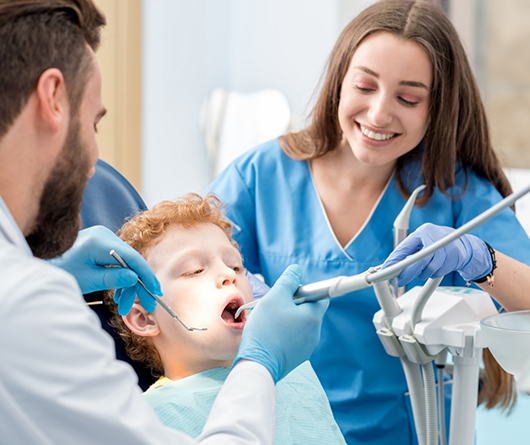
Regular checkups and cleanings are the foundation of your child's long-term oral health. We recommend that children visit us every six months so our team can monitor their dental development, remove built-up plaque and tartar, and catch any concerns early before they become bigger problems. We’ll also provide guidance on how to keep things on track so their teeth and gums continue to develop healthily.
Dental Sealants
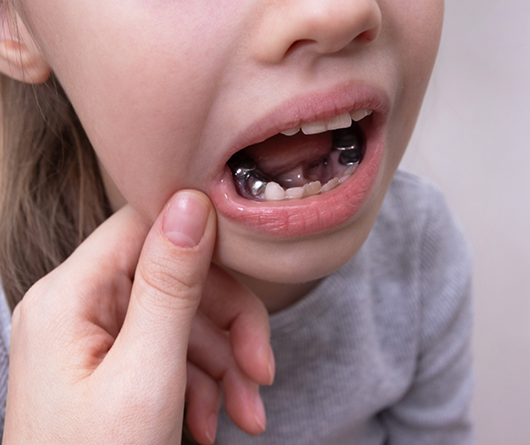
Dental sealants are a quick, simple, and painless way to give your child's teeth an extra layer of protection against cavities. We can apply a thin coating of tooth-colored resin to the chewing surfaces of the back teeth, where grooves and pits can easily trap food and bacteria. This blocks out cavity-causing bacteria and helps to protect the teeth in-between dental checkups.
Athletic Mouthguards / Sportsguards
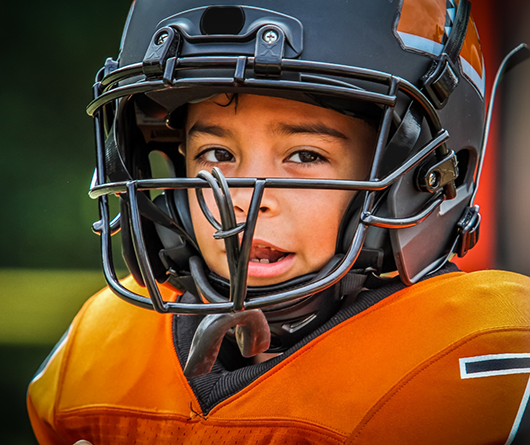
Whether your child plays football, soccer, or any other sport, a well-fitted mouthguard is one of the easiest ways to protect their smile. Plus, unlike store-bought options, our custom-fitted mouthguards are made from impressions of your child's teeth, meaning they provide a comfortable fit that stays securely in place during physical activity. They also offer superior protection against chipped or knocked-out teeth!
Children’s Dentistry FAQs
When Should I Bring My Child to the Dentist for the First Time?
Your child should be brought in to see the dentist as soon as their first teeth start to show. This can range anywhere between 6 and 10 months.
What Can I Expect During My Child's First Dental Visit?
For children 3 or 4 years of age and younger, a visual exam will be performed. If your child’s teeth appear healthy, then they will be given a cleaning. Children 4 or 5 years of age will have X-rays taken to detect any cavities that may be present between the teeth.
For us, it’s very important to try to establish trust with your child during this first visit. When they trust our team, they feel safe coming to the dentist, which makes future visits much more pleasant!
Why Are Regular Children’s Dental Visits Important?
We’re all aware of the importance of routine dental checkups in Richmond, but there can be some confusion regarding proper care for children. Just like adults, it’s very important to start children with early visits to the dentist for the following reasons:
- Beat Dental Anxiety: Getting your child familiar with dentist appointments will make phobias and anxiety less likely.
- Prevent Future Issues: Early detection of cavities and oral hygiene behavior can help avoid more invasive treatment and premature extraction of teeth, which may prevent orthodontic problems in the future.
Why Does My Child Need Dental Sealants?
Dental sealants are a covering placed on the back molars to help protect them from future decay. These permanent molars first come in at the age of 6, so it’s important we do all we can to keep them safe, since your child may still be learning how to best manage their oral hygiene.
Do Cavities in Baby Teeth Need to Be Treated, or Can I Just Wait for Them to Fall Out?
If a child has a very small cavity on a primary (baby) tooth that is expected to fall out in several months, then treatment may not be necessary. If the tooth is to be retained for a year or more, it is highly advised to treat the tooth.
One of the main purposes that primary teeth serve is to maintain the space for the adult tooth to erupt. That’s why it’s important to keep them healthy until they’re ready to fall out. Failure to do so may lead to a risk of infection or complications orthodontically in the future.
What’s the Difference Between Baby Teeth and Adult Teeth?
Baby teeth can differ from permanent teeth in many ways. As mentioned before, baby teeth can be lighter in color, while adult teeth tend to be darker with a yellow or grey tint. Baby teeth also have a thinner outer enamel shell, as well as a thinner inner dentin layer. The pulp tissue of baby teeth is also larger than that of adult teeth. Research has shown that even the molecular composition of baby teeth differs from adult teeth!
How Many Teeth Do Children Have Compared to Adults?
Children have 20 baby teeth (sometimes called “milk teeth” or “primary teeth” and will get a total of 32 when they become adults. The 12 additional adult teeth come from the adult molars and wisdom teeth, with the first of these coming in at 6 years of age. Children do have “baby molars,” but they’re actually replaced by premolars later on.
Why Are Baby Teeth Important If They Just Fall Out Anyways?
Parents tend to dismiss the role of baby teeth, since they’ll “fall out anyway.” However, baby teeth serve an important role: maintaining space. When a child loses his or her baby tooth too early, there is a risk that the adult tooth in that area will not have enough space to grow in. This can cause the adult tooth to erupt at an abnormal angle, in the wrong area, or not come in at all!
When Do Baby Teeth Fall Out?
Baby teeth start to fall out, or “exfoliate,” at the age of 6. This is around the time when your child may start to notice their front teeth becoming “wiggly.” Don’t worry if your child’s tooth is moving before then: it’s very common for children to get their adult teeth a little earlier than the average.